Sunday, May 1, 2011

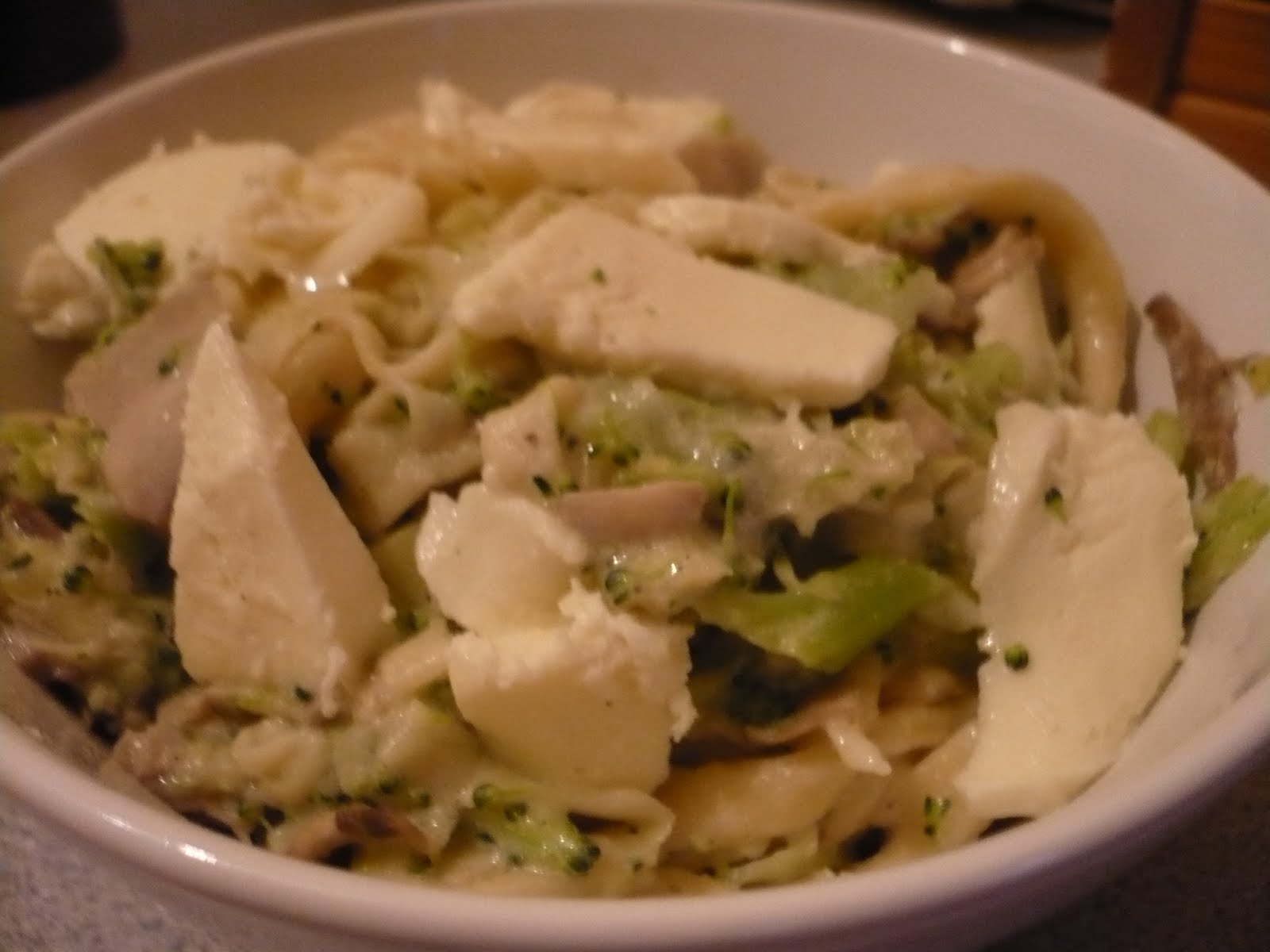
Homemade Pasta with Leek, Mushroom and Broccoli Sauce.


This is me showing off my new pasta machine.

Pasta dough is just flour and eggs with a bit of lukewarm water. I've made it before using a rolling pin, but a pasta machine is just very very cool. And surprisingly therapeutic. Word of warning though - it does take a wee while.

For the sauce I sauted some leeks and garlic in olive oil then added some sliced mushrooms and cooked them till they were nicely juicy. Then I slopped in half a pot of creme fraiche and some black pepper and added the whole lot to the cooked pasta. I also threw in some very finely cut cooked broccoli.

Pasta should be cooked in lots and lots of boiling water. I demand that you eat it while it still has a bit of bite rather than letting it turn to slop. Ask any Italian and they will tell you that sloppy pasta is only fit for old people's homes.

To serve I added some slices of mozzarella.

Voila!


Mozzarella and Tomato Salad with Bruschetta.

Like all Italian food, the secret of this dish is the quality of the ingredients. This one was served with a mixed green salad and sprouted sunflower seeds.

Cut up the tomatoes and mozzarella and arrange them on the plates. Rub the basil between your fingers to release the flavour. Sprinkle it over the mozzarella and tomato, then add salt, freshly crushed black pepper, olive oil and balsamic vinegar.

Toast the bread then rub it with a clove of garlic. Add a little olive oil, salt and pepper and you have a very tasty piece of bread which could be called a bruschetta.


Thursday, April 28, 2011

TVP and Beans on Toast

Lazy and proteinacious.

So:

Baked beans, TVP, water, red wine, salt and pepper in a pan. Boil for about 5 minutes.

Toast bread, butter it.

Go.

This would be good with chillie powder, tabasco or Frank's. But I had oxidising wine, so there.

Actually, I feel a bit funny about this TVP stuff, but when you're feeling uninspired and in need of some nutrition it jumps to attention, and fast. It's also cheap and you can buy it in bulk and it will last pretty much forever.

Tuesday, April 26, 2011

Thai Courgette and Cashew Nut Cous Cous


This is a wonderful dish, and not just because of the alliteration.

Dry roast a handful of cashews. No, dry roast several handfuls, then you can save some for later.
(Dry roast just means heat it without fat, either in a pan or in the oven / grill.) This will bring out the sweet nutty flavour of the cashews.

Fry up some Thai green curry paste and add some diced courgette. When it's nearly done pour in a load of boiling water then throw in the cous cous and stir. Keep doing this till you get a cous cousish texture. Add a load of cashews and mix in till it's pretty.

Thinly slice an onion or two, fry it up with a bit of sugar then add a load of chopped chard. When it's wilting throw in some tinned sweetcorn.

So!
Spoon the sweet vegetables on to a bed of fragrant cous cous and sprinkle with cashews. (Gastro speak-a-go-go.)

This can be prepared pretty quickly; I think it took me about 7.42 minutes.


Monday, March 28, 2011

Beer Broth

Beer Broth

I was in a rush the other day and needed a quick dinner, so I decided to see what I had. Cans of beer? Cooked adouki beans? Leek and onion? Bread? Eh, beer broth?! I think so! That's a thing isn't it? Well, if not it is now. It only took me about 20 minutes and it's dead easy. The hardest thing is not drinking the open tinnies before adding them in.

So, quickly then, fry up the chopped leeks, onions and garlic. Add a bit of sugar to the mixture and add the pre-cooked adouki beans (handy to keep some cooked ones in the freezer for quick meals like this). Then add - get ready- beer! Like so:
  
'Hey, this is fun!' said Dara.

I'm not sure how much I put in really. Probably about a can and a bit after all the sipping. I let it simmer for a minute, and added more beer gradually, so it didn't all boil off.  You can add some vegetable stock and seasonsing if you think it needs flavour. It should look like this or something:


And it's pretty much done straight away. Add salt and pepper to taste. Next time I'll do it with some barley and potatoes and carrots. Make it nice and hearty. Still, this was delicious. I topped it with some fresh parsley and served it with some nice bread. And a tinnie, if you've any left! Note: you may not want to make this meal before a matter of any importance.

- Dara

Sunday, March 27, 2011

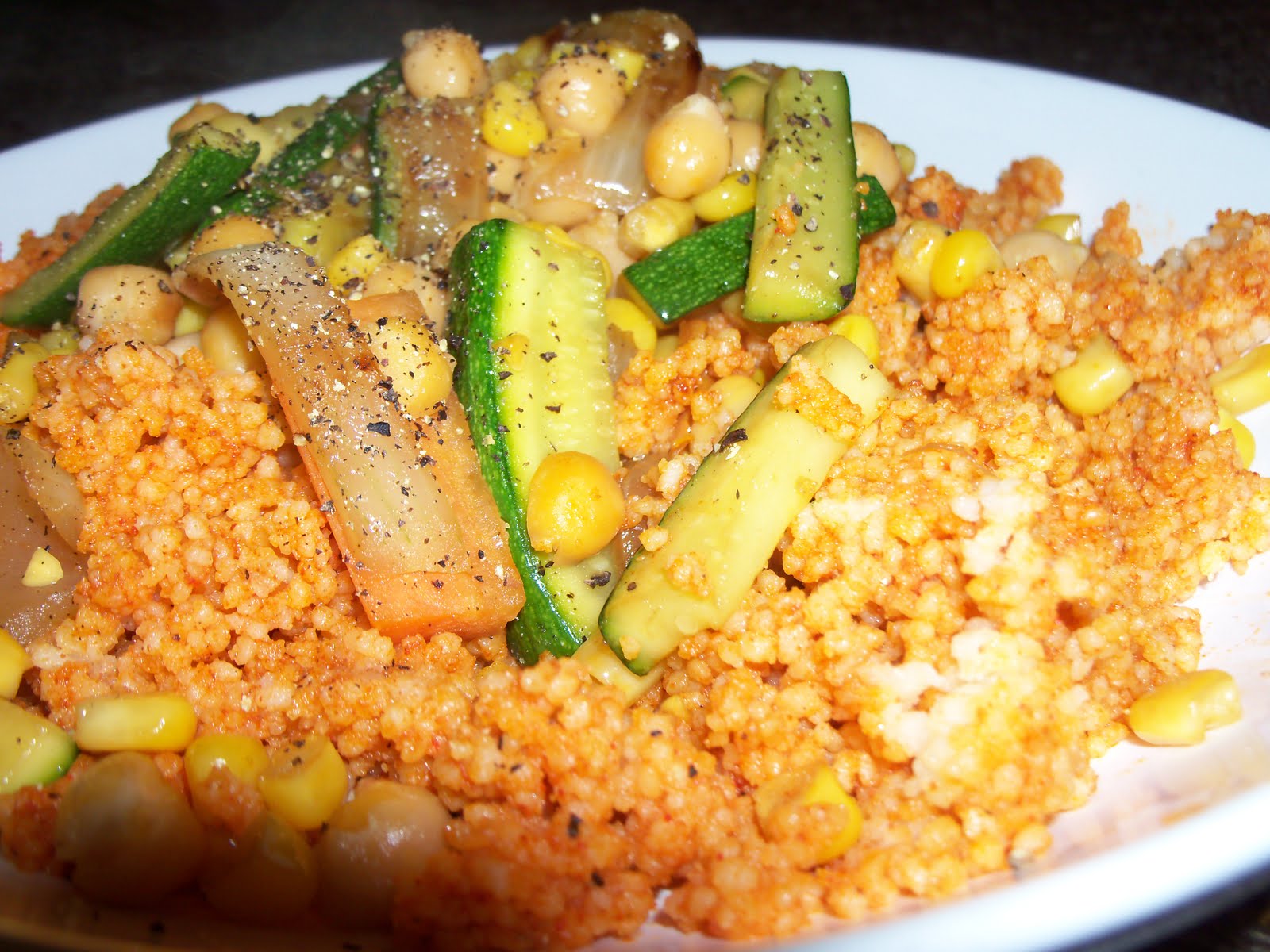
Harissa Cous Cous

This is some sort of harissa paste:
Mix LOADS of tomato paste with a good deal of paprika, chilli powder, ground cumin, coriander powder, black pepper and olive oil. Taste it and do what you want to it, then stir it into a big bowl of cous cous that's just been covered with boiling water. Leave it to sit for about three minutes then add more harissa or water as necessary.

Chickpeas and cous cous are a marriage made in culinary heaven. They are made for each other. This lot had courgette, onion, garlic and sweetcorn as well, and most veg will be pretty tasty fried up and served on top of this tasty goodness.

Cashew Nut Pesto

This is an incredible discovery - a handful of roasted cashews, about the same of basil, a clove of garlic, and some salt and pepper. Most people would add parmesan as well but it really doesn't need it. Whizz it all up with a blender then pour in as much olive oil as you like. Just make sure it's the good stuff; I like co-op's own brand. Or, as they call it here, Scotmid.

Traditionally in Italy they eat a first course of meat or fish with some sort of veg or salad, then a second of pasta. It's basically a protein course with some greenery followed by a carbohydrate course. I remembered this as I ate handfuls of roasted cashews from the pan as I waited for the pasta to cook. If you want to be a bit more civilised than me, a nice salad with some roasted cashews sprinkled over it would be a good prelude to this pasta dish.

Another thing the Italians do is stop cooking their pasta when it resists a bite slightly, rather than letting it cook to a mulch like us we tend to do on these fair isles. My way of doing this is to take a bit of pasta out every minute or so when it's nearing the end of it's cooking time and biting it to check whether or not it has changed colour all the way through - if there's just the very tiniest bit uncooked in the middle then it's time to get the sieve out, stare at it for a few seconds, then drain it. Apparently Italians just throw it at the wall, but I've only ever seen British people do that, so it might just be a myth that we've made up, like the fact that they eat garlic bread. One of the most bizzare moments of my life was explaining garlic bread to a guy from near Naples who was doing a bit of a Peter Kay at me in Italian - "Garlic?! Bread?! Garlic on bread?!"

Watch this blog for some extreme garlic bread recipes - Dara is a garlic head with a penchant for baking bread.